The modern card player is no longer confined to a single gaming setup when logging into their favorite online rooms. Choosing between handheld convenience and a traditional computer station depends heavily on your individual routine and visual preferences. Understanding how these separate setups handle multi-table sessions, battery life, and spatial layout is key to finding the ideal digital environment.
Screen Real Estate and Multi Table Capabilities
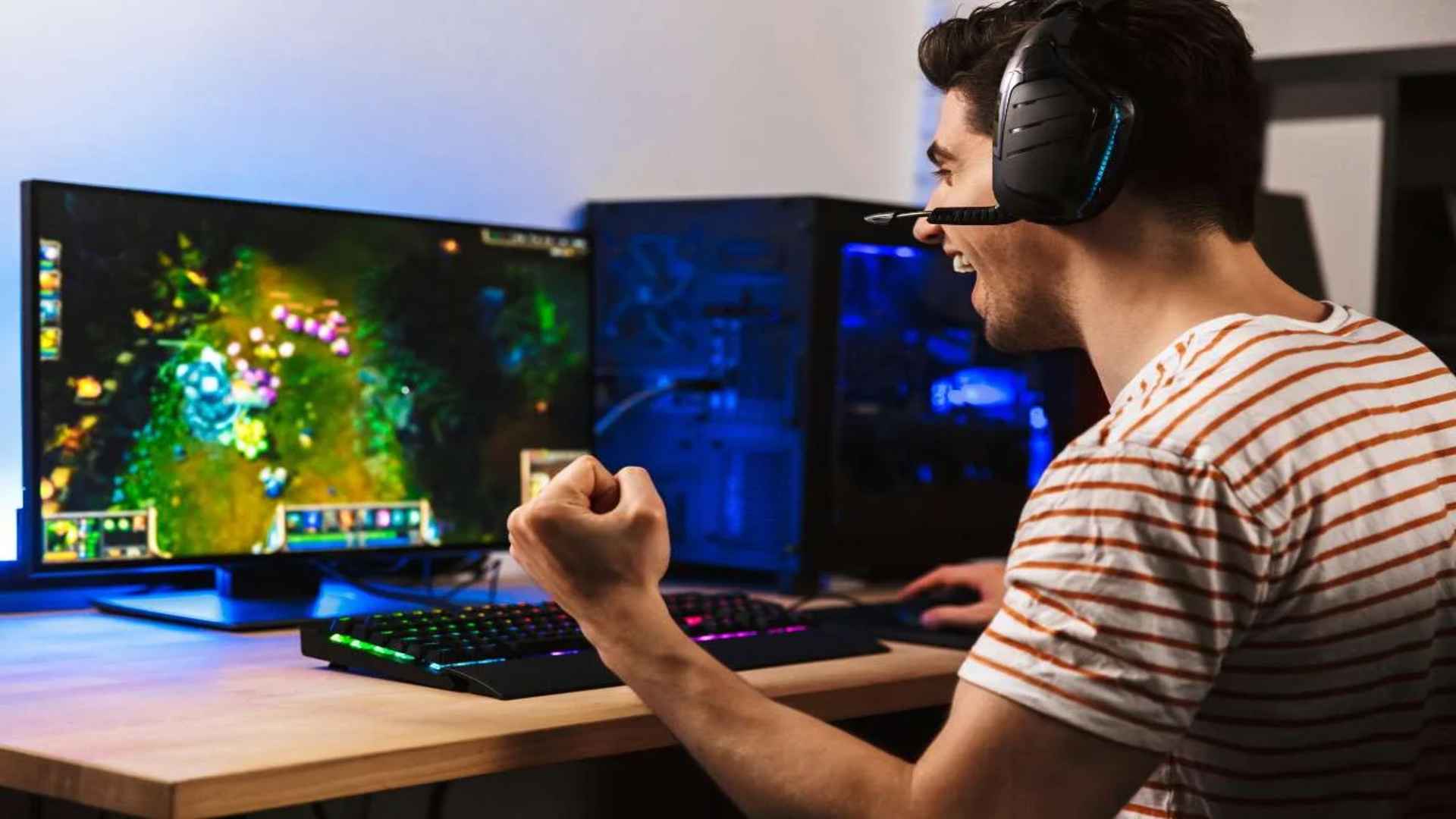
Desktop software remains the undisputed champion for players who prefer executing complex strategies across multiple screens simultaneously. The expansive layout allows individuals to cascade or tile numerous windows cleanly without hiding critical opponent metrics or betting sliders. This structural advantage reduces cognitive load during high-traffic tournament periods where split-second adjustments are required.
Conversely, mobile installations rely on specialized gestures and automatic swiping systems to jump between active tables. While hardware developers have optimized these transitions to prevent costly misclicks, managing more than a few games simultaneously on a compact phone remains a distinct logistical challenge. Handheld platforms are ultimately tailored for focused, single-table sessions rather than massive multi-tabling configurations.
Portability and Session Flexibilty
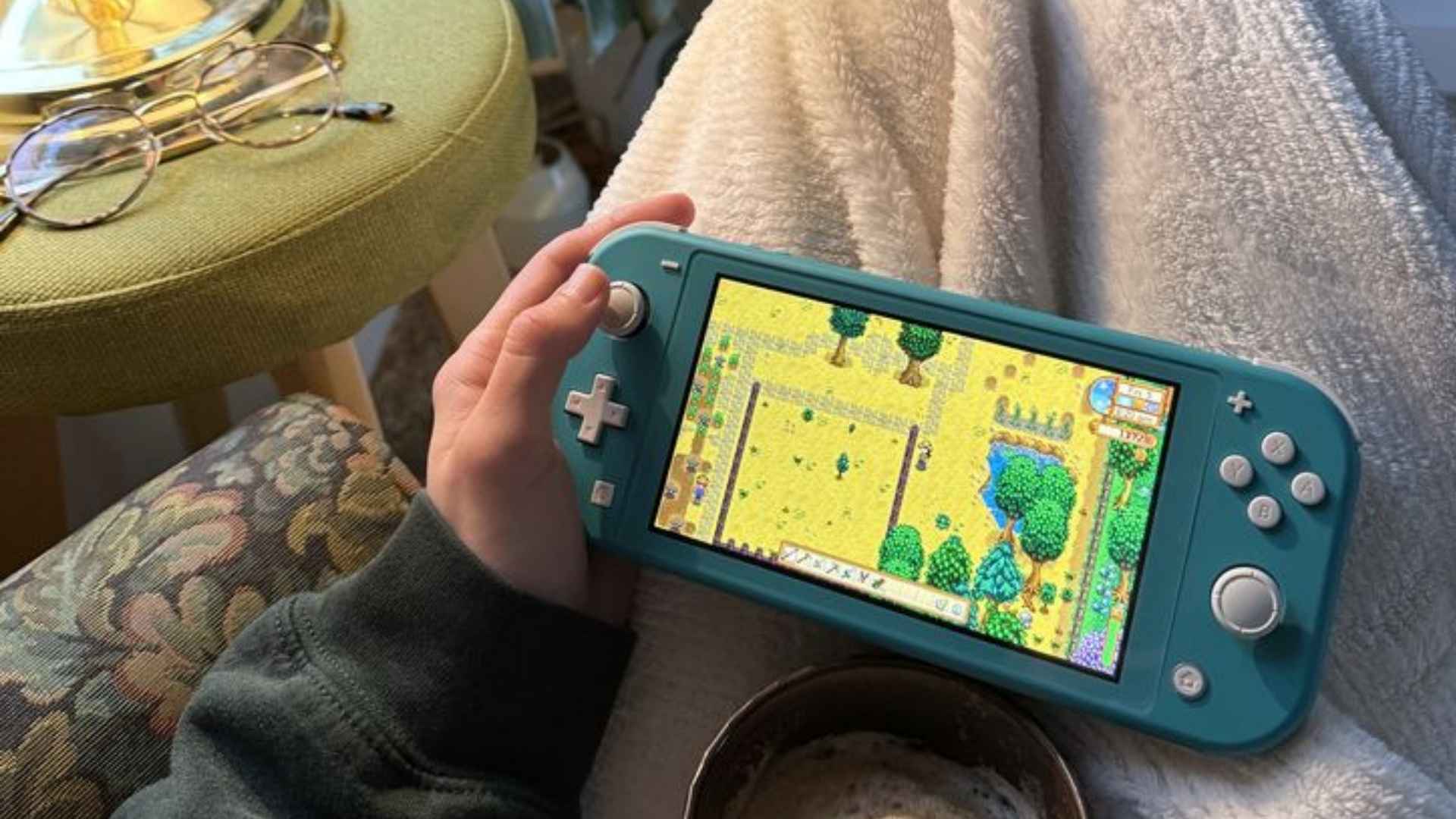
The clear advantage of smartphone clients lies in their ability to transition seamlessly into any environment or daily commute. Enthusiasts can easily participate in major tournament series or review detailed hand histories from anywhere without being anchored to an office desk. This high level of flexibility makes mobile software an excellent choice for casual gaming or tracking active satellite qualifiers on the move.
When planning to access secure features or manage your balance during travel, using a verified platform like the m88 msports login portal ensures reliable connectivity across various devices. Traditional desktop computers offer zero mobile flexibility but deliver unmatched hardware stability during extended grinds. Desktops eliminate common portable concerns like battery drainage, cellular signal drops, and sudden incoming call interruptions.
Interface Design and Control Inputs
Control mechanics differ drastically between the mechanical precision of a computer mouse and the tactile touch screen of a modern phone. Computers allow users to map specific keyboard hotkeys for instant folding, checking, or precise bet sizing. These customization tools minimize physical friction and help experienced players maintain absolute accuracy throughout long sessions.
Mobile developers combat smaller screen dimensions by creating minimalist interfaces with large, distinct action buttons and simplified slider wheels. While these streamlined designs are incredibly intuitive for beginners, they occasionally sacrifice deeper statistical tools and overlay settings to preserve precious space. Deciding on the perfect platform relies entirely on whether you prioritize robust analytical features or quick, swipe-based menu navigation.