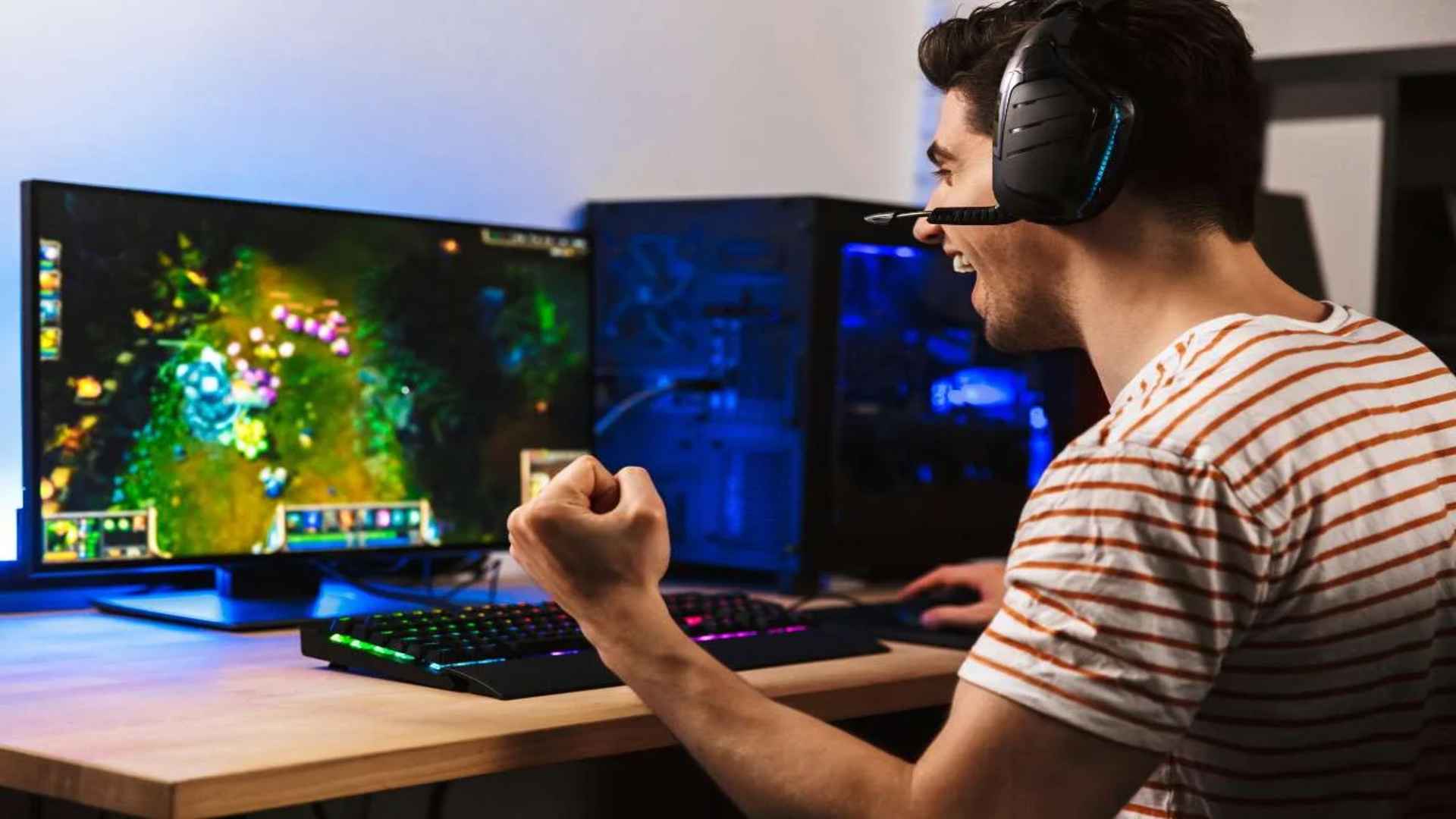
Medal of Honor Frontline remains one of the most celebrated World War II shooters of the early 2000s, renowned for its cinematic D-Day opening and memorable orchestral score. While the classic game originally launched exclusively on consoles like the PlayStation 2, modern hardware allows computer enthusiasts to experience Jimmy Patterson's journey on modern setups. Navigating the world of retro emulation can seem daunting at first, but setting up the title requires only a few specific software tools and configuration steps.
Choosing the Right Emulation Software
To run this iconic console release on a computer, players must utilize a highly compatible sixth-generation console emulator. Programs like PCSX2 or RPCSX3 provide the necessary software framework to translate the game's original coding into modern x86 instructions. Downloading the latest stable build guarantees better graphical performance and fewer system crashes during intensive missions.
Configuring the emulator also requires an authentic console BIOS file, which must be legally dumped from your own physical hardware. Once the core program recognizes your system files, you can load the game disc or a digital backup image directly into the software. This virtualization method bridges the gap between old hardware architectures and modern processing units seamlessly.
Optimizing Graphics and Keyboard Controls
Playing a console-first shooter with modern computer inputs requires careful button mapping within the emulator settings. While mapping keys to mimic traditional keyboard and mouse controls is possible, using a modern USB controller generally yields the smoothest tactical response. Adjusting the analog stick sensitivity ensures that aiming down sights during tense historical skirmishes feels fluid and precise.
Modern computers possess enough processing power to scale the original display resolution far beyond its native limitations. Uprezsing the internal graphics to 1080p or 4K adds incredible sharpness to aging textures and environments without taxing your graphics card. Enabling widescreen hacks within the plugin menu eliminates traditional black bars, creating a much more immersive cinematic display.
Troubleshooting Common Performance Issues
Despite significant advancements in emulator stability, players may occasionally experience audio stuttering or sudden framerate drops during large chaotic battles. Toggling the hardware rendering mode from OpenGL to Vulkan frequently resolves micro-stutters on newer graphics cards. Adjusting the internal audio latency settings can also synchronize the legendary cinematic soundtrack perfectly with the on-screen action.
If you encounter specific visual glitches during the classic dynamic lighting sequences, enabling automatic game fixes within the software can resolve minor rendering issues. Keeping your computer graphics drivers fully updated also provides optimized compatibility profiles for legacy gaming applications. These minor technical adjustments ensure the entire campaign runs at a locked sixty frames per second.