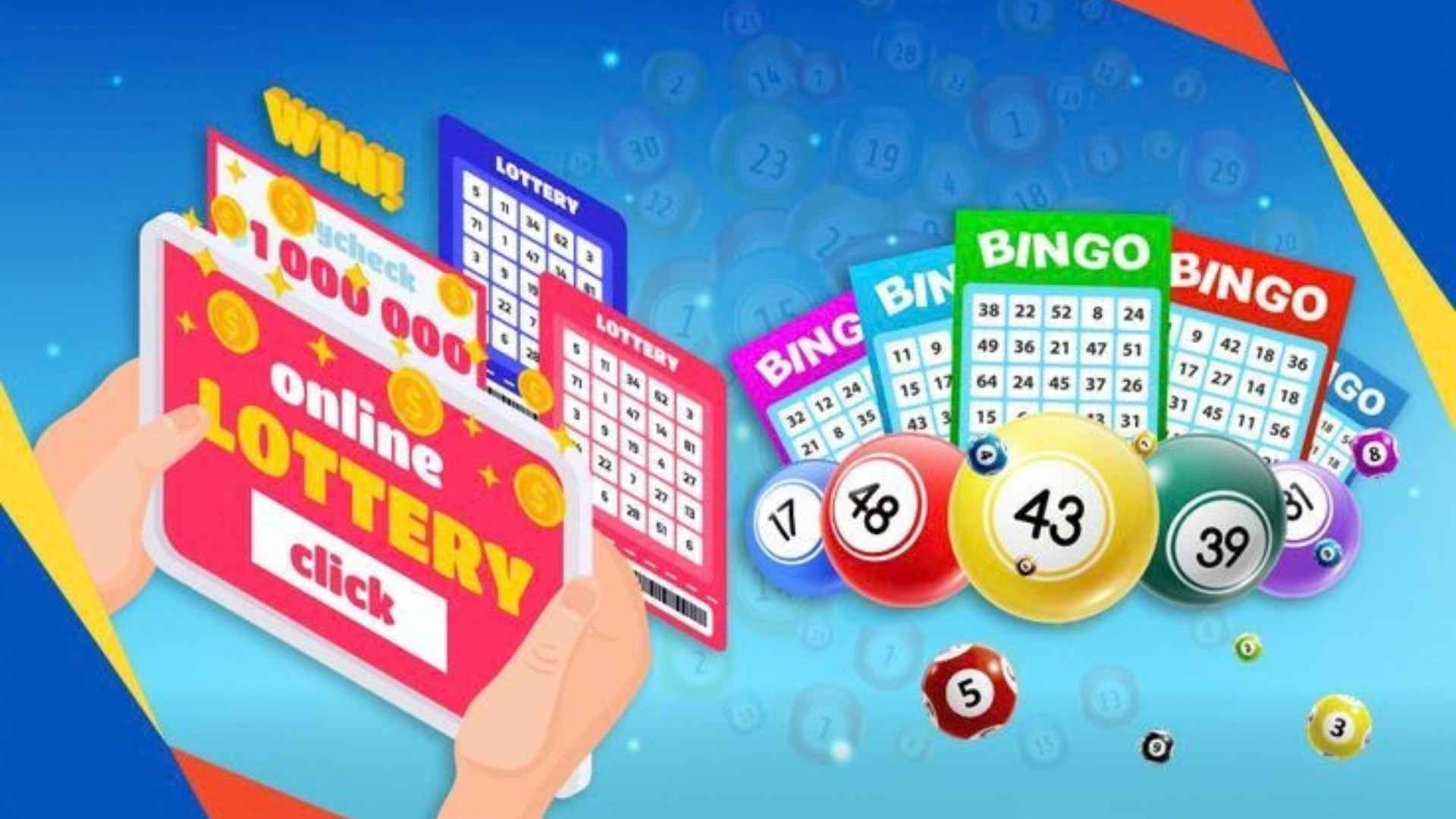
When participating in number-based gaming draws, players often face a fundamental decision before placing their entry: whether to rely on automated quick picks or manually choose their digits. Both approaches offer unique advantages, appealing to different mindsets and play styles across digital platforms. Examining the motivation behind each method reveals how personal preference shapes the overall entertainment experience.
The Convenience and Speed of Quick Pick Options
Automated number selection, commonly referred to as quick pick, relies on random number generators to fill entry slips instantly. This method eliminates the decision-making process, allowing participants to join draws efficiently without spending time deliberating over specific digits. For busy players who value convenience, this streamlined functionality offers a hassle-free approach to daily gaming.
Furthermore, relying on random generation helps avoid common human biases, such as clustering selections around memorable dates or pattern-based sequences. Because computers select numbers uniformly across the entire available pool, quick pick combinations frequently result in less common selections. This statistical independence can reduce the likelihood of sharing prizes with other participants if the combination is drawn.
The Psychological Connection of Manual Selection
Selecting numbers manually provides players with a sense of personal involvement and agency that automated choices cannot replicate. Many individuals choose meaningful dates, family milestones, or personally significant numerical patterns when building their entries. This personal attachment transforms the simple act of choosing numbers into a more engaging and expressive routine.
The deliberate process of filling out a card manually also enhances anticipation in the lead-up to the event. Players often feel more connected to the outcome when they actively manage their entry choices. This hands-on method remains popular among traditional gaming enthusiasts who view number curation as an essential part of the pastime.
Comparing Mathematical Probabilities
From a mathematical standpoint, neither method holds a structural advantage over the other when random selection algorithms are properly certified. Every valid numeric combination carries the exact same mathematical probability of being selected in any fair draw. Understanding this concept helps participants maintain realistic expectations regardless of how their numbers are chosen.
While quick pick entries save time and manual selections provide personal engagement, the underlying odds remain constant. Players should focus on responsible gaming practices rather than searching for system advantages that do not exist. Choosing between automated and manual entries ultimately comes down to personal comfort and individual play preferences.
Finding the Right Balance for Your Routine
Deciding between quick pick and manual selection depends largely on what an individual wants out of their session. Some players enjoy combining both strategies, utilizing manual picks for ongoing favorite numbers while applying quick pick for additional entries. Experimenting with different approaches allows participants to discover the dynamic that brings them the most enjoyment.
Regardless of the chosen method, maintaining disciplined budget limits and viewing number draws strictly as casual entertainment ensures a positive experience. Modern digital platforms accommodate both choices seamlessly, empowering users to tailor their participation to suit their personal habits.